Labor in America is slowed by a lack of tradespeople. A chatbot can’t replace an electrician or a data center technician.
The trade gets passed down one apprentice at a time, and there aren’t enough journeymen left to train them. So we built one.
AGC of America workforce survey · 1,342 firms · 2025
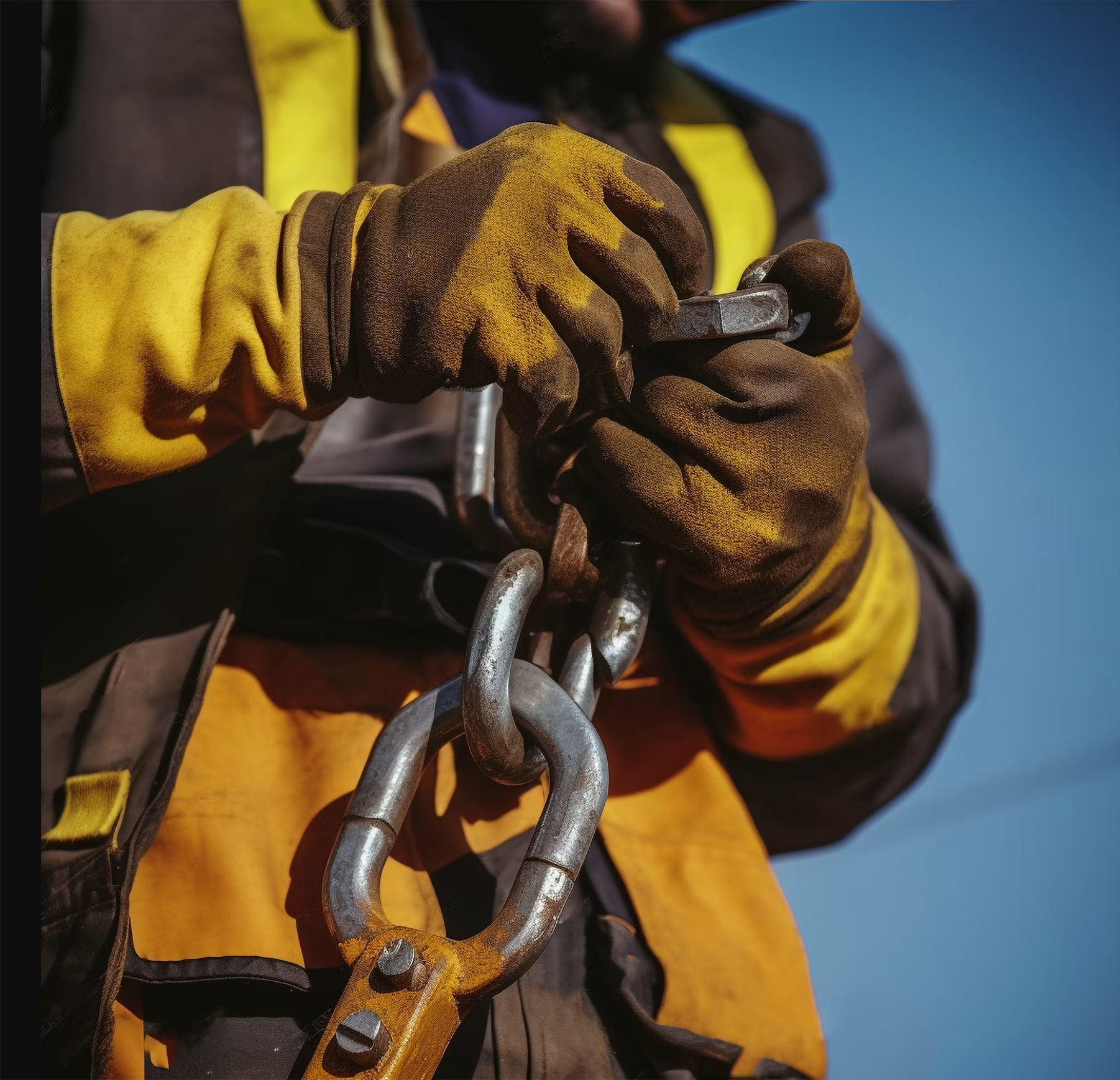
It sees what you see.
Every other tool talks about your work in the third person — a manual, a video, a chat window you look away to read. This sits on your face. It watches the bench from your eyes, hears the question you ask with your hands full, and answers out loud while you keep working.
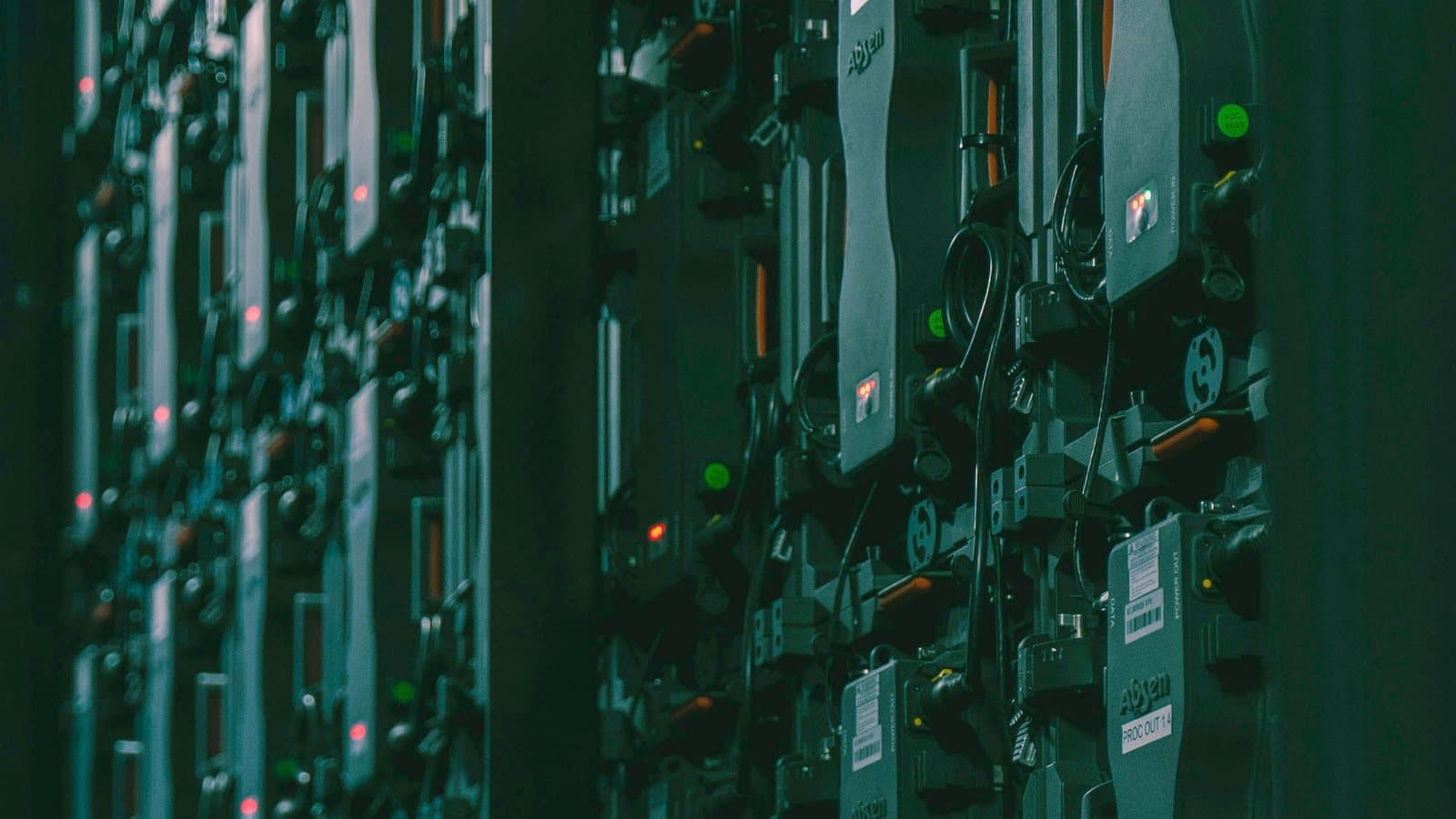
It tells you what to do next.
“Which of these is the neutral?” Hold the panel up and it reads the labels with you, pulls the spec for a part number no search engine has indexed, and walks the circuit back with you until the fault is found.
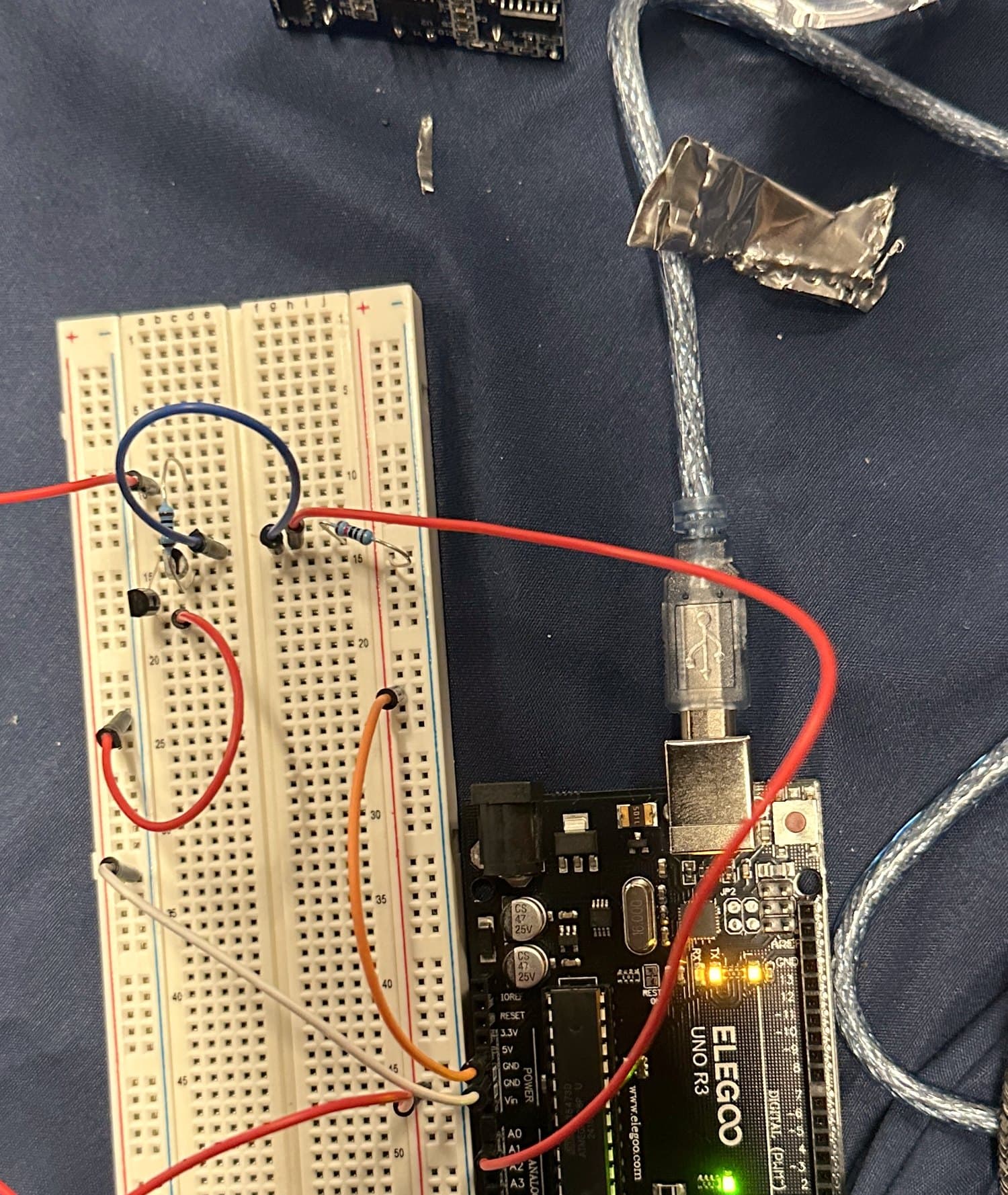
It remembers how you learn.
It knows you landed on COM the first three times, and that you have not missed it since. It stops repeating what you own and slows down where you struggle — the thing a good journeyman does without being asked, and a manual never will.
It catches the mistake while it is still a hand in the air.
A journeyman writes the task once, in plain English. That is where the expertise lives — which matters, because the panel in front of an apprentice is usually proprietary hardware with no public documentation to train on. The glasses do not have to recognise the world. They only have to check what the procedure asks about.
- 01
Isolate the feed.
Looking for: Power strip plug is out of the outlet.
sensor: ambientdone - 02
Show me a red wire. Land it on COIL+.
Looking for: Red wire inserted at the COIL+ label.
Saw: Landed on COM“That's the contact, not the coil.”
caught it - 03
Yellow from COIL− to the switch.
Looking for: Yellow wire between COIL− and the switch terminal.
up next - 04
Red from the contact to +5V.
Looking for: Red wire at the NO contact and the +5V rail.
up next - 05
Green from the contact to the fan.
Looking for: Green wire between the contact and the fan lead.
up next - 06
Black to ground.
Looking for: Black wire on the ground rail.
up next - 07
Re-energize. Stand clear. Press the button.
Looking for: Fan is spinning.
sensor: liveup next
The model suggests. The engine decides.
A language model never advances a step on its own. A deterministic state machine does, and only on evidence it can point to.
One good frame is not enough.
Before anything near a conductor, it wants N consecutive frames above threshold and two independent model calls that agree.
“I can’t tell” is an answer.
When the view is blocked it says so and waits, rather than guessing. A tool that guesses under schedule pressure gets ignored the first time it is wrong.
Two senses agree before you go near a conductor.
The camera confirms the isolation state and the field sensor reads ambient. Either one alone is not enough to move.
Every decision keeps the frame behind it.
Timestamp, step, frame, model output, sensor level, verdict, hash of the previous entry — so the record shows the work, not just the result.
One sense can be fooled. So it waits for two.
A patient teacher everywhere else — but not here. Near a live conductor the camera can be shown a plug that only looks unplugged, so it wants a field sensor to agree before anyone reaches in. Flip either switch.
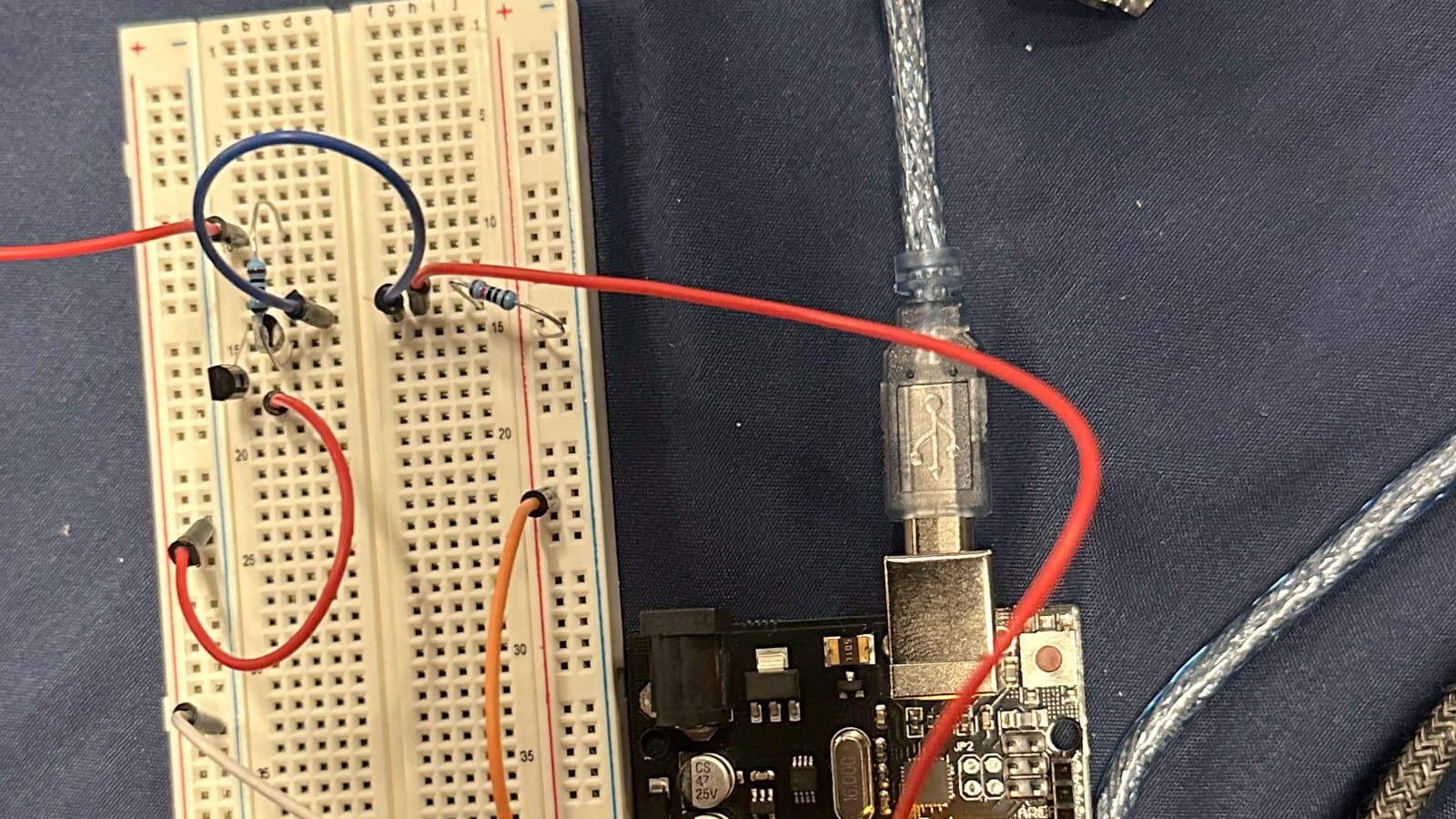
“Hold on. The plug looks out, but the conductor still reads live. Something else is feeding it.”
Is the plug out of the outlet?
Is the conductor dead?
Stop
The plug looks out, but the conductor still reads live. Something else is feeding it.
The sensor is a presence-of-voltage guardrail, not an absence-of-voltage test to NFPA 70E. The procedure still teaches the contact test and still requires it — and the camera verifies the meter reading when it happens.
It remembers what you got wrong, and that you fixed it.
Every decision keeps the frame behind it. For the apprentice that is a competency record; for the supervisor it is evidence; for the next model it is training data.
- 09:02PPE confirmed — eye protection, gloves3 frames
- 09:04Feed isolated — camera + sensor agreeverified
- 09:07Reached for COM — caught, correctedtaught
- 09:08COIL+ verifiedconf 0.93
- 09:19Reached for terminals, gloves offreminded
- 09:31Re-energize — stand clearsensor: live
- 09:32Fan spinning — task completesigned
Hash-chained · a deleted entry shows as a gap
Two corrections, both stuck
A record of what they got wrong and fixed — the thing a logbook signature can’t show.
Signed without standing there
Evidence of safe procedure on a task they didn't personally witness.
Every step, labelled
Frame plus procedure state plus outcome — a dataset that comes free with the work.
The same procedure, start to finish.
One unedited run of commission a motor control — asked out loud, answered out loud, including the step it catches.
Why this, and why now.
Why a model that has to recognise everything fails on the first unfamiliar part, why the expertise belongs in the procedure, and what that unlocks for a trade that cannot train people fast enough.